 Skip to content
📊 Quick Key Takeaways: Offset Ink Production Line (2026)
| Metric | Value |
|---|---|
| Global Printing Inks Market (2024) | USD 20.96–22.0 billion |
| Projected Market Size (2032–2034) | USD 28.9–29.8 billion |
| Growth Rate (CAGR) | 2.9%–4.5% annually |
| Leading Product Segment | Lithographic (offset) inks |
| Typical Batch Production Time | 2–6 hours per batch |
| Batch Size Range | 5 L to 50,000 L |
| Main Application | Packaging & labels (45–48% share) |
Offset Ink Production Line: Complete Guide for 2026
If you’ve ever wondered how the colorful prints on your cereal box or magazine come to life, the answer starts with an offset ink production line. Moreover, this specialized manufacturing system transforms raw materials into high-quality printing inks used worldwide. In fact, the global printing inks market is booming, and offset inks remain the leading product segment today.
Throughout this guide, you’ll discover everything about offset ink production lines—from market opportunities to equipment choices. Additionally, we’ll explore how modern technology and environmental regulations are reshaping this essential industry. Whether you’re a business owner, process engineer, or curious learner, this article breaks down complex manufacturing into simple, actionable insights.
What Is an Offset Ink Production Line? (Quick Definition)
Understanding the Basics of Offset Ink Production
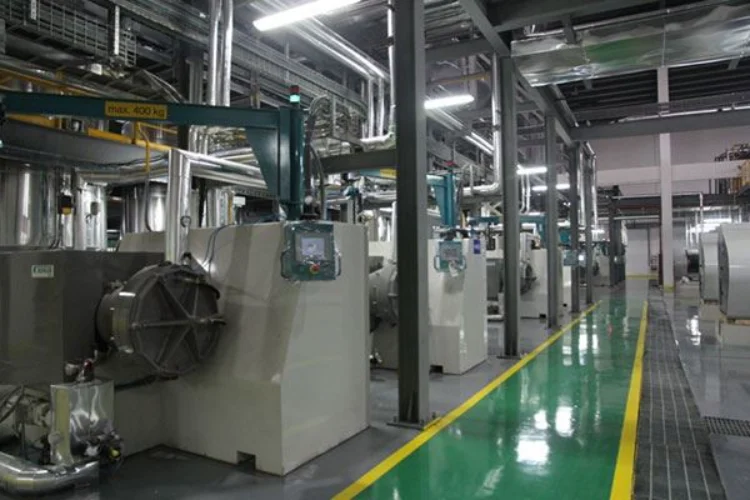
An offset ink production line is a continuous manufacturing system that creates press-ready offset lithographic inks. Essentially, it transforms pigments, resins, and oils into the thick, colorful paste that printing presses use every day. Furthermore, these production lines combine multiple specialized machines working together in a carefully controlled sequence.
Think of it like a kitchen assembly line, but instead of making cookies, you’re creating perfectly colored, smooth ink. Similarly, just as cookies need mixing, baking, and cooling, offset ink needs batching, grinding, and quality checking before it’s ready.
“An offset ink production line is essentially a precision chemistry factory. Each stage—from feeding raw materials to final packaging—must achieve exact specifications, or the ink won’t perform correctly on high-speed printing presses.”
Key Components That Define an Offset Ink Production Line
A typical offset ink production line includes several main stations:
- Feeding stations where raw pigments, resins, and oils are measured and loaded
- High-speed dispersion units that mix ingredients into a uniform blend
- Milling equipment that grinds pigment particles down to microscopic sizes
- Final mixing tanks where additional ingredients are blended in
- Filtration systems that remove any impurities or oversized particles
- Filling stations that package the finished ink into containers
Consequently, production lines vary greatly in size and automation level. For instance, small operations might handle 5–20 liter batches with manual equipment. On the other hand, large manufacturers run fully automatic systems processing 5,000–50,000 liters per batch. Therefore, choosing the right scale depends on your production needs and budget.
Why Offset Ink Production Lines Matter Today
In today’s printing industry, quality and consistency are absolutely critical. Indeed, even tiny variations in ink color or viscosity can ruin an entire print run worth thousands of dollars. As a result, modern offset ink production lines use precise controls and automated testing to ensure every batch meets strict specifications.
Moreover, environmental regulations are pushing manufacturers to adopt cleaner, greener production methods. Thus, the latest production lines incorporate low-VOC formulations and energy-efficient equipment. This trend is particularly strong in Europe and North America, where regulatory standards continue to tighten year after year.
Market Size & Growth (2026 Data)
The Global Printing Inks Market Is Expanding Rapidly
The printing inks industry represents a massive global market with tremendous growth potential. Specifically, the global printing inks market reached approximately USD 20.96–22.17 billion in 2024–2025. Furthermore, industry analysts forecast this market will grow to roughly USD 28.9–29.8 billion by 2032–2034.
This steady expansion reflects a compound annual growth rate (CAGR) between 2.9% and 4.5%. In other words, the market is growing consistently year after year, driven by increasing demand for packaging, labels, and commercial printing worldwide.
| Market Metric | Value |
|---|---|
| Printing Inks Market 2024 | USD 20.96–22.0 billion |
| Forecast 2032–2034 | ~USD 28.9–29.8 billion |
| CAGR (2025 onward) | 2.9%–4.5% |
| Main Application Share | Packaging/labels 45–48% |
| Leading Product Segment 2024 | Lithographic (offset) inks |
| Leading Region 2024 | Asia-Pacific ~36–37% share |
Offset Inks Dominate the Product Segment
Within the broader printing inks market, lithographic (offset) inks stand out as the dominant product category. Notably, offset inks held the largest market share in 2024, surpassing other ink types like flexographic, gravure, and digital inks. This dominance stems from offset printing’s widespread use in commercial printing, packaging, and publishing.
Additionally, packaging and label printing account for approximately 45–48% of total printing ink revenue. Therefore, as e-commerce and consumer goods packaging continue to expand globally, demand for high-quality offset inks grows alongside them. In particular, food packaging, cosmetics, and pharmaceutical labels require precise color matching and safety compliance—areas where offset inks excel.
Regional Growth Patterns and Opportunities
Geographically, the Asia-Pacific region leads the printing inks market with approximately 36–37% of global market share in 2024. Consequently, countries like China, India, and Southeast Asian nations are experiencing rapid industrialization and urbanization. This growth drives increased demand for printed packaging, marketing materials, and consumer goods.
Meanwhile, North America and Europe maintain significant market positions, although growth rates are more moderate. However, these regions are pioneering innovation in sustainable, low-VOC offset inks and Industry 4.0 automation technologies. Thus, manufacturers investing in these markets focus on premium quality and environmental compliance rather than pure volume growth.
“The offset ink market isn’t just growing—it’s evolving. We’re seeing manufacturers shift from commodity production to specialized, high-performance inks that meet strict environmental standards and deliver exceptional print quality.”
Why This Market Growth Matters for Equipment Buyers
For businesses considering investment in an offset ink production line, these market trends offer compelling reasons to act. First and foremost, steady market growth means consistent demand for your products over the coming decade. Moreover, the shift toward specialty and compliant inks creates opportunities for manufacturers who invest in modern, flexible production equipment.
Furthermore, emerging markets in Asia and Latin America present expansion opportunities for ink producers. As a result, scalable production lines that can grow with your business become increasingly valuable. In addition, automation and quality control features help you compete on both price and quality in this expanding global marketplace.
🚀 Ready to capture your share of the $29B printing ink market?
Whether you are scaling up or building a new facility, Z-MIXER TECH provides customized turnkey solutions to get your line running by 2026.
How Does an Offset Ink Production Line Work? (The Complete Process)
Overview: From Raw Materials to Finished Ink
Understanding how an offset ink production line operates is essential before investing in equipment. Essentially, the manufacturing process transforms three main raw material categories—pigments, resins, and oils—into a homogeneous, print-ready paste. Throughout this journey, materials pass through multiple processing stages, each carefully controlled for temperature, mixing speed, and particle size.
Think of it as transforming ingredients from a recipe into a finished dish. Similarly, just as you can’t skip steps when baking a cake, offset ink production requires completing each stage properly before moving to the next one. Otherwise, the final product won’t meet quality standards for color, consistency, or printing performance.
Stage 1: Raw Material Weighing and Premixing (30–40 Minutes)
The production process begins at the raw material weighing station. Here, operators or automated systems precisely measure pigments, resins, oils, and other ingredients according to the batch formula. Importantly, accuracy at this stage is absolutely critical—even small measurement errors can throw off the entire batch.
Next, these measured ingredients move to premixing equipment, typically a high-speed disperser or double-arm mixer. During this stage, the equipment blends pigment powder into heated oils and resins. As a result, the mixture forms what manufacturers call a “chip” or masterbatch—a thick, paste-like preliminary blend.
Generally, this premixing stage takes approximately 30–40 minutes per batch. However, the exact time depends on several factors:
- Viscosity – Thicker formulations require longer mixing times
- Solids content – Higher pigment concentrations need more intensive blending
- Temperature – Heated materials blend faster than cold ingredients
- Mixer power – Higher-horsepower dispersers complete the job quicker
Consequently, investing in quality high-speed dispersion equipment pays dividends by reducing batch times and improving initial blend quality. Moreover, better premixing makes subsequent grinding stages faster and more efficient.
Stage 2: Grinding and Milling (Minutes to Hours)
After premixing, the ink paste still contains pigment particles that are too large for high-quality printing. Therefore, the next critical stage involves grinding and milling to reduce particle size down to microscopic dimensions—typically below 10 microns (that’s smaller than a human hair!).
This grinding stage uses two primary types of equipment:
Bead Mills for Initial Grinding:
First, many production lines use a bead mill for coarse to medium grinding. In this machine, the premixed paste flows through a chamber filled with tiny grinding beads made of steel, glass, or zirconia. As the chamber rotates at high speed, these beads collide with pigment particles, breaking them into smaller pieces. This continuous process provides high throughput and works especially well for hard-to-grind pigments.
Three-Roll Mills for Fine Dispersion:
Subsequently, the partially ground ink moves to a three-roll mill—the heart of traditional offset ink production. This precision machine features three steel rollers running at different speeds and rotating in opposite directions. The rollers are positioned with extremely narrow gaps between them, creating intense shearing forces that pulverize pigment particles to their final, microscopic size.
| Production Stage | Typical Time Range | Key Factors Affecting Time |
|---|---|---|
| Premix/Dispersion | 30–40 minutes per batch | Viscosity, solids content, temperature |
| Grinding/Milling | Few minutes to several hours | Target particle size, pigment hardness, ink viscosity |
| Final Let-Down | 30 minutes to 1 hour | Additive complexity, mixing intensity |
| Quality Control & Testing | 30–60 minutes | Number of tests, re-work needed |
| Total Batch Cycle | 2–6+ hours | Formula complexity, equipment efficiency |
Importantly, grinding time varies dramatically based on your target specifications. For example, simple formulations with soft pigments might complete grinding in just a few minutes. Conversely, complex inks with hard pigments requiring ultra-fine dispersion can take several hours to achieve the target particle size below 10 microns.
Stage 3: Let-Down and Final Adjustment (30–60 Minutes)
Once grinding is complete and particle size meets specifications, the ink enters the let-down stage. During this phase, the concentrated pigment paste is “let down” with additional vehicles, resins, and performance additives. These additional materials include:
- Waxes for improved scuff resistance and rub properties
- Driers that accelerate ink oxidation and drying on paper
- Rheology modifiers to control flow and tack properties
- Anti-skinning agents to prevent surface drying in containers
- Additional resins for gloss, adhesion, and printability
This final blending typically occurs in large, high-torque mixing tanks capable of handling the extremely thick, paste-like consistency of offset ink. Moreover, precise temperature control during let-down ensures that heat-sensitive additives don’t degrade or lose effectiveness.
After let-down mixing completes, many manufacturers route the ink back through the three-roll mill one final time. This final milling pass serves two important purposes: it evenly disperses the newly added ingredients, and it removes trapped air bubbles that could cause printing defects.
“The let-down stage is where offset ink truly comes together as a finished product. All the performance characteristics—tack, flow, drying time, and rub resistance—are fine-tuned during this critical phase.”
Stage 4: Quality Control and Testing
Before any batch can move to packaging, it must pass rigorous quality control testing. Typically, QC technicians perform multiple tests on samples drawn from the final mix:
- Fineness of Grind Test – Using a Hegman gauge to verify particle size is below specification limits (usually <10 microns)
- Color Measurement – Spectrophotometric analysis comparing the batch against approved color standards
- Viscosity and Tack Testing – Measuring flow properties and stickiness to ensure proper press performance
- Drying Time Checks – Applying ink to paper samples and timing how long it takes to set and dry
- Print Tests – Running actual print trials on laboratory presses to verify real-world performance
Importantly, if any test fails to meet specifications, the batch returns for adjustment and re-testing. Only batches that pass all quality checks proceed to the final packaging stage. This strict quality control ensures consistent performance and prevents costly printing press failures at customer facilities.
Stage 5: Filtration, Packaging, and Storage
Finally, approved batches move to the packaging and filling station. First, the ink may pass through fine filtration screens to remove any remaining oversized particles or contamination. Then, automated or semi-automated filling equipment loads the ink into its final containers—typically plastic pails, metal drums, or large totes.
Modern filling systems include integrated weighing scales to ensure accurate fill weights and proper inventory tracking. Additionally, each container receives labels with batch numbers, production dates, color specifications, and safety information. Thereafter, finished containers move to temperature-controlled storage areas to await shipping to printing companies worldwide.
Essential Equipment in Offset Ink Production Lines
Raw Material Mixing Equipment
The foundation of any successful offset ink production line starts with proper raw material mixing equipment. Indeed, these machines are responsible for creating the initial blend that determines the quality of your final product. Therefore, choosing the right mixing technology is absolutely essential for consistent production.
Heating Kettles and Jacketed Mixing Tanks:
First and foremost, most offset ink formulations require heated vehicles to reduce viscosity before mixing. Consequently, heating kettles with jacketed walls circulate hot oil or steam to warm vegetable oils, resins, and other liquid components. Typically, these tanks heat materials to temperatures ranging from 60°C to 120°C, depending on the specific formulation requirements.
Moreover, modern heating kettles feature precise temperature controls with digital displays and automatic shut-offs. This precision prevents overheating that could degrade heat-sensitive ingredients or create safety hazards. Additionally, jacketed tanks maintain consistent temperatures throughout the mixing process, ensuring uniform blending from start to finish.
High-Speed Dispersers:
Next in the mixing equipment lineup, high-speed dispersers serve as the workhorse for initial pigment incorporation. These powerful machines feature a shaft-mounted dispersion blade that rotates at speeds ranging from 1,000 to 5,000 RPM. As the blade spins, it creates intense hydraulic shearing forces that break up pigment agglomerates and wet out individual particles.
Furthermore, Z-MIXER TECH’s high-speed dispersers are specifically engineered for the demanding requirements of offset ink production. They handle extremely high-viscosity pastes that would stall ordinary mixers. In addition, variable-speed controls allow operators to adjust mixing intensity for different pigment types and formulation viscosities. Consequently, you achieve optimal dispersion while minimizing energy consumption and heat buildup.

High-Speed Disperser
Creates initial pigment dispersion

Jacketed Heating Kettle
Heats and maintains temperature
Grinding & Milling Machines
After initial dispersion, achieving the microscopic particle sizes required for high-quality offset printing demands specialized grinding equipment. In particular, two types of mills dominate modern offset ink production lines, each serving specific roles in the particle size reduction process.
Bead Mills (Horizontal and Vertical):
Bead mills excel at coarse to medium grinding operations in continuous or recirculation mode. Essentially, these machines pump the ink premix through a cylindrical chamber filled with grinding media—typically ceramic, glass, or zirconia beads ranging from 0.5 mm to 3 mm in diameter.
As the chamber rotates at high speed, the grinding beads collide with each other and with pigment particles suspended in the ink vehicle. Subsequently, these countless high-energy impacts shatter pigment agglomerates into progressively smaller particles. Importantly, bead mills offer several advantages for offset ink production:
- Continuous operation – Unlike batch mills, bead mills can run continuously for maximum throughput
- Excellent for hard pigments – Intense grinding action breaks down even the toughest inorganic pigments
- Temperature control – Jacketed chambers remove frictional heat to prevent ink degradation
- Scalability – Available in sizes from laboratory scale to large industrial production units
However, bead mills typically achieve particle sizes in the range of 5–15 microns. Therefore, many offset ink formulations require additional grinding to reach the ultra-fine dispersion needed for premium print quality.
Three-Roll Mills (Triple-Roll Mills):
Undoubtedly, the three-roll mill stands as the most critical piece of equipment in traditional offset ink production. This precision machine delivers the final, ultra-fine dispersion that separates professional-grade offset inks from inferior products.
A three-roll mill consists of three parallel steel rollers mounted horizontally, each rotating at a different speed and in opposite directions. The gaps between the rollers are adjustable down to just a few microns—thinner than a human hair! As ink passes through these extremely narrow gaps, it experiences tremendous shearing forces that pulverize pigment particles to their absolute minimum size.
Moreover, the three-roll mill process offers unique advantages:
- Superior fineness – Achieves particle sizes well below 5 microns, often reaching 1–3 microns
- Excellent dispersion uniformity – Multiple passes ensure every particle is evenly dispersed
- Deaeration effect – The rolling action naturally removes trapped air from the ink
- Heat dissipation – Cooled rollers prevent temperature rise during high-shear grinding
- Quality verification – Operators can visually assess dispersion quality during processing
“In my 25 years formulating offset inks, I’ve never seen a truly premium product made without a three-roll mill. It’s simply the gold standard for achieving the particle size and dispersion quality that high-speed printing presses demand.”
Bead Mill vs. Three-Roll Mill: Which Do You Need?
| Feature | Bead Mill | Three-Roll Mill |
|---|---|---|
| Operation Mode | Continuous or recirculation | Batch or semi-continuous |
| Typical Fineness | 5–15 microns | 1–5 microns |
| Best For | Initial grinding, hard pigments, high throughput | Final dispersion, ultra-fine grinding, deaeration |
| Viscosity Range | Medium to high | Very high (pastes) |
| Maintenance | Moderate (bead replacement) | Lower (roller resurfacing) |
| Typical Role | Pre-grinding stage | Final grinding and polishing |
Ultimately, many modern offset ink production lines use both technologies in sequence. First, the bead mill performs rough grinding to reduce particle size efficiently. Then, the three-roll mill provides the final, ultra-fine dispersion and deaeration. This two-stage approach combines the throughput advantages of bead milling with the superior fineness of three-roll technology.
Still Unsure Which Grinding Setup Fits Your Formula?
Don’t risk your pigment quality. Our engineers can help you configure the perfect sequence of Bead Mills and Three-Roll Mills for your specific viscosity needs.
Horizontal Bead Mill
Initial grinding stage for high throughput
Three-Roll Mill
Final ultra-fine dispersion and deaeration
Final Mixing & Let-Down Equipment
After grinding achieves the target particle size, offset ink requires blending with additional performance-enhancing ingredients. For this critical stage, heavy-duty mixers capable of handling extremely viscous pastes are absolutely essential.
Planetary Mixers and Butterfly Mixers:
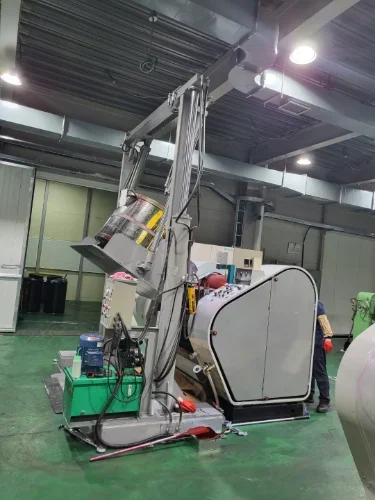
These specialized high-torque mixers feature robust drive systems and uniquely designed mixing blades. Specifically, planetary mixers use multiple blades that rotate on their own axes while simultaneously orbiting around the mixing vessel. This complex motion ensures thorough blending even in paste-like materials with viscosities exceeding 100,000 centipoise.
Similarly, Butterfly blade mixers employ two heavy, butterfly mixer-shaped blades that counter-rotate and intermesh. The continuous folding and kneading action incorporates waxes, driers, rheology modifiers, and additional resins uniformly throughout the ink mass. Importantly, these mixers maintain consistent performance even when processing very thick, sticky offset ink formulations.
Furthermore, modern let-down mixers include jacketed vessels for temperature control. This feature prevents overheating during intensive mixing while allowing operators to maintain optimal processing temperatures for heat-sensitive additives. Additionally, vacuum capability on some models enables degassing during the final mixing stage, removing entrapped air that could cause printing defects.
Quality Control Devices
Although not directly involved in production, quality control equipment serves as the gatekeeper that determines whether batches meet specifications. Consequently, no offset ink production line is complete without comprehensive QC instrumentation.
Essential QC Instruments Include:
- Hegman Fineness-of-Grind Gauge – A precision-machined steel block with graduated grooves that reveal whether particles exceed target size limits
- Tackmeter – Measures the “stickiness” or tack of offset ink, which directly affects ink transfer on printing presses
- Rotational Viscometer – Determines flow properties under different shear rates to ensure proper press performance
- Spectrophotometer – Provides objective color measurement and ensures batch-to-batch color consistency
- pH Meter – Monitors acidity/alkalinity, especially important for water-based and hybrid ink systems
- Drying Time Tester – Evaluates how quickly ink sets and dries on various paper substrates
Importantly, these instruments enable in-process testing at multiple production stages. For example, checking fineness after bead milling determines whether the ink is ready for three-roll processing. Likewise, tack and viscosity measurements after let-down confirm the batch meets final specifications before packaging begins.
Packaging & Filling Systems
The final equipment category in an offset ink production line handles filling finished ink into containers for shipment. While this might seem straightforward, precision and efficiency at this stage directly impact profitability and customer satisfaction.
Manual, Semi-Automatic, and Fully Automatic Filling:
Small-scale operations typically employ manual filling systems where operators use pump dispensers to fill individual containers placed on platform scales. Although labor-intensive, this approach offers flexibility for small batches and diverse container sizes.
Conversely, medium and large production facilities benefit from semi-automatic or fully automatic filling lines. These systems feature conveyor belts that position containers under filling nozzles, integrated weighing scales that control fill volumes, and automatic lid placement. As a result, filling accuracy improves while labor costs decrease significantly.
Moreover, modern filling systems incorporate data logging that records fill weights, batch numbers, and production dates automatically. This traceability proves invaluable for quality management, inventory control, and regulatory compliance documentation.
Quality Control & Testing Standards
Why Quality Control Is Non-Negotiable in Offset Ink Production
In the offset ink industry, quality control isn’t just a nice-to-have feature—it’s absolutely mission-critical. Indeed, even microscopic variations in particle size, color, or viscosity can cause catastrophic printing press failures costing thousands of dollars in wasted paper and press downtime. Therefore, rigorous QC at multiple production stages protects both your reputation and your customers’ operations.
Furthermore, professional printers demand consistency. When they order “Cyan 2000” offset ink, they expect every batch to match exactly—whether they’re ordering in January or December. Consequently, systematic quality testing and documentation become essential competitive differentiators for successful ink manufacturers.
In-Process Quality Checkpoints
Modern offset ink production lines implement quality checks at strategic points throughout the manufacturing process, rather than waiting until the end. This approach catches problems early when they’re still easy and inexpensive to correct.
Checkpoint 1: Raw Material Verification
Before production begins, incoming raw materials undergo testing to confirm they meet specifications. Specifically, pigments are checked for color strength, particle size distribution, and contamination. Similarly, resins and oils are tested for viscosity, acid value, and purity. Only materials that pass these checks enter the production area.
Checkpoint 2: Post-Premixing Inspection
After the initial dispersion stage, operators examine the premix for visual uniformity and take preliminary viscosity measurements. Additionally, checking for unmixed clumps or “dry” pigment at this stage prevents problems during subsequent grinding operations.
Checkpoint 3: Fineness Testing After Grinding
Following each grinding stage, technicians use a Hegman gauge to measure particle fineness. The gauge features precision-machined grooves of known depths. When ink is drawn across the gauge with a scraper, the depth at which individual particles first become visible indicates the maximum particle size. Typically, high-quality offset inks must achieve readings below 10 microns, with many premium formulations targeting 5 microns or finer.
Checkpoint 4: Rheology Verification After Let-Down
Once all ingredients have been incorporated during let-down, the batch undergoes comprehensive rheological testing. This includes viscosity measurement at multiple shear rates and tack testing using a calibrated tackmeter. These properties must fall within narrow specification windows to ensure proper performance on high-speed printing presses.
Final Batch Release Testing
Before any batch receives approval for packaging and shipment, it must pass an extensive battery of final tests. This comprehensive quality control protocol typically includes:
- Spectrophotometric Color Matching – The batch color is measured objectively and compared against approved standards using instruments that analyze reflected light across the visible spectrum
- Print Trial Testing – Actual printing tests on laboratory presses using representative paper stocks verify that the ink transfers properly, dries correctly, and achieves the expected color density
- Drying Time Verification – Standardized drying tests measure set time (when ink no longer smears) and through-dry time (when ink is completely cured)
- Rub and Scuff Resistance – Mechanical abrasion tests ensure printed surfaces can withstand handling without ink transfer or damage
- Final Fineness Check – A last Hegman gauge reading confirms particles haven’t re-agglomerated during storage in the mixing tank
Importantly, batches that fail any final test do not ship. Instead, they return for adjustment and complete re-testing. While this strict approach may seem time-consuming, it prevents costly field failures and maintains customer trust.
“Quality control in offset ink production is like a safety net with multiple layers. Each test catches different potential problems. Together, they ensure only perfect batches reach your customers’ printing presses.”
Documentation and Traceability Requirements
Beyond physical testing, modern quality control demands meticulous documentation. Each production batch generates detailed records including:
- Raw material lot numbers and certificate of analysis documents
- Production date, time, operator names, and equipment used
- In-process test results with timestamps and technician signatures
- Final QC test data with pass/fail determinations
- Any adjustments or rework performed during production
- Batch approval signatures and release authorization
This comprehensive traceability serves multiple purposes. First, it enables root-cause analysis if quality issues arise in the field. Second, it demonstrates compliance with customer specifications and regulatory requirements. Third, it provides valuable process data for continuous improvement initiatives.
Environmental Compliance for Offset Ink Production (2026 Update)
The Regulatory Landscape Is Tightening Worldwide
Environmental regulations governing offset ink production have become significantly more stringent over the past decade. Consequently, manufacturers investing in new production lines must consider compliance as a core design requirement rather than an afterthought. Indeed, failing to meet environmental standards can result in costly fines, production shutdowns, and reputational damage.
Moreover, environmentally responsible manufacturing is increasingly becoming a competitive advantage. Many large printing companies now require their ink suppliers to demonstrate compliance with environmental standards as a precondition for doing business. Therefore, investing in clean production technology opens market opportunities while reducing regulatory risk.
VOC Regulations and Control Requirements
Volatile Organic Compound (VOC) emissions represent one of the primary environmental concerns in offset ink manufacturing. These organic chemicals evaporate into the air during production and contribute to smog formation and air quality problems. As a result, regulatory agencies worldwide have established strict limits on VOC emissions from industrial facilities.
For example, Texas regulations under 30 TAC 115 specifically target offset lithographic printing and ink manufacturing operations. Facilities emitting 3. 0 tons or more of VOCs annually must comply with detailed requirements including:
- Maximum VOC content limits for fountain solutions and cleaning agents
- Mandatory vapor capture systems for solvent storage and transfer operations
- Regular emissions testing and continuous monitoring requirements
- Detailed record-keeping of solvent purchases, usage, and disposal
- Annual compliance certifications submitted to regulatory authorities
Similarly, European Union member states enforce their own VOC regulations through national implementation of EU directives. These regulations often impose even stricter limits than North American standards, particularly for facilities located in urban areas with existing air quality challenges.
REACH Compliance and SVHC Management
The European Union’s REACH (Registration, Evaluation, Authorization and Restriction of Chemicals) regulation has profound implications for offset ink manufacturers serving European markets. REACH requires registration of chemical substances and restricts or bans substances of very high concern (SVHC) from manufacturing processes.
Significantly, the REACH SVHC list was expanded to 242 substances in the 32nd batch update published in November 2024. This ongoing expansion forces ink manufacturers to continuously review and reformulate their products to eliminate restricted substances. Furthermore, downstream users (printing companies) increasingly demand SVHC-free inks to simplify their own compliance obligations.
| Environmental Requirement | 2024–2025 Status | Impact on Production Lines |
|---|---|---|
| EU REACH SVHC List Size | 242 substances (Nov 2024) | Requires SVHC-free raw materials and formulation changes |
| Low-VOC Ink Adoption (Europe) | >40% by 2023; >60% projected by 2025 | Shift to vegetable-oil vehicles and UV-curable systems |
| VOC Emission Threshold (Texas) | ≥3.0 tons VOC/year triggers regulation | Vapor recovery systems and monitoring equipment required |
| Green Ink Market Share | Growing 6–8% annually | Increased demand for bio-based and renewable ingredients |
Consequently, leading European ink manufacturers report that more than 40% of their product lines qualified as “low VOC” or “zero SVHC” by 2023. Industry projections suggest this proportion will exceed 60% by 2025 as reformulation efforts accelerate and customer demand for compliant products increases.
The Shift Toward Vegetable-Oil and Bio-Based Offset Inks
In response to environmental pressures, the offset ink industry is undergoing a fundamental transformation toward renewable, plant-based raw materials. Traditionally, offset inks relied heavily on petroleum-derived mineral oils as vehicles. However, modern formulations increasingly substitute soybean oil, linseed oil, and other vegetable oils for their petroleum counterparts.
These bio-based vehicles offer multiple environmental advantages. First, they’re renewable resources derived from agricultural crops rather than finite fossil fuels. Second, they typically contain lower VOC levels than mineral oil vehicles. Third, they’re more readily biodegradable, reducing environmental persistence if accidentally released.
Moreover, vegetable-oil-based offset inks often deliver performance equal or superior to traditional formulations. Many printers report excellent color strength, gloss, and drying characteristics when using soy-based inks. Additionally, these inks facilitate paper recycling because vegetable oils are easier to remove during de-inking processes than petroleum-based alternatives.
UV-Curable and Energy-Curable Offset Inks
Another major environmental trend involves UV-curable offset inks that solidify instantly under ultraviolet light rather than drying through solvent evaporation. These innovative formulations essentially eliminate VOC emissions during the printing process because they contain no solvents to evaporate.
Furthermore, UV-curable inks enable faster production speeds since printed sheets emerge from the press completely dry and ready for immediate finishing operations. This productivity advantage, combined with near-zero VOC emissions, makes UV technology increasingly attractive despite higher raw material costs.
⚠️ Don’t Let 2026 VOC Regulations Stall Your Production.
From ATEX-certified equipment to low-emission system designs, we ensure your production line is safe, compliant, and future-proof.
Safety Requirements & Explosion Protection
Inherent Hazards in Offset Ink Manufacturing
Offset ink production involves materials and processes that present significant safety challenges. Specifically, many ink formulations contain flammable solvents, combustible organic pigments, and reactive chemicals. Additionally, the high-energy mixing and grinding operations generate heat and, potentially, ignition sources. Therefore, comprehensive safety systems are absolutely essential to protect workers and facilities.
Moreover, regulatory authorities classify many ink production facilities as handling hazardous materials subject to strict safety codes. Consequently, compliance with workplace safety regulations like OSHA (USA), ATEX (Europe), and similar standards worldwide becomes a legal requirement, not merely a best practice.
Explosion Protection and ATEX/IECEx Certification
In environments where combustible dusts or flammable vapors may be present, equipment must meet explosion-protection standards. The European ATEX directive and international IECEx certification system establish detailed requirements for equipment design, electrical components, and operational procedures in potentially explosive atmospheres.
ATEX-certified production equipment incorporates multiple safety features:
- Explosion-proof electrical components that prevent sparks from igniting flammable atmospheres
- Grounding and bonding systems that dissipate static electricity accumulation during material transfer
- Pressure relief panels that safely vent explosion forces away from personnel areas
- Inert gas blanketing that replaces oxygen with nitrogen in critical process areas
- Intrinsically safe instrumentation that limits electrical energy below ignition thresholds
Importantly, facilities handling flammable solvents or pigment dusts should specify ATEX or IECEx certified equipment during the design phase. Retrofitting explosion protection after installation is significantly more expensive and disruptive than incorporating it from the beginning.
Temperature Control and Cooling Systems
High-shear mixing and grinding operations generate substantial frictional heat that can raise material temperatures to dangerous levels. Overheated ink may degrade chemically, losing color strength or rheological properties. More seriously, excessive temperatures in solvent-containing formulations create fire and explosion risks.
Therefore, modern offset ink production lines incorporate multiple cooling systems:
- Jacketed mixing vessels circulating chilled water or glycol to remove heat
- Cooled rollers in three-roll mills to prevent ink temperature rise during grinding
- Recirculating chillers serving multiple process units simultaneously
- Temperature monitoring with automatic shutdown if limits are exceeded
Additionally, proper facility ventilation removes heat and any fugitive solvent vapors, maintaining safe working conditions and preventing vapor accumulation that could create explosive atmospheres.
Machine Safety Features and Emergency Systems
Beyond explosion protection, production equipment must incorporate comprehensive mechanical safety features to protect operators from moving parts, pinch points, and other hazards. Modern machinery includes:
- Emergency stop buttons positioned at multiple locations around each machine
- Safety interlocks that prevent operation when guards are open or removed
- Two-hand controls requiring both hands on buttons during dangerous operations
- Light curtains or presence sensors that stop equipment if personnel enter hazard zones
- Lockout/tagout systems for safe maintenance and cleaning procedures
Furthermore, CE marking (European Conformity) and ISO 9001 certification indicate that equipment meets international safety and quality management standards. When evaluating production line suppliers, always verify that equipment carries appropriate safety certifications for your jurisdiction.
“Safety isn’t expensive—it’s priceless. The cost of proper explosion protection and safety systems is trivial compared to the potential consequences of a serious incident. Always specify certified equipment and maintain it rigorously.”
Industry 4.0 & Smart Automation in Modern Ink Lines
The Digital Transformation of Offset Ink Manufacturing
The Fourth Industrial Revolution—commonly called Industry 4.0—is fundamentally changing how offset inks are manufactured. Essentially, Industry 4.0 involves connecting production equipment, sensors, and computer systems into integrated networks that enable real-time monitoring, data analytics, and autonomous decision-making. Consequently, modern ink production lines are becoming smarter, more efficient, and more responsive than ever before.
Moreover, automation technology addresses critical industry challenges including labor shortages, quality consistency demands, and pressure to reduce production costs. Therefore, manufacturers investing in new production capacity increasingly prioritize automation and digital connectivity as core requirements rather than optional upgrades.
Interconnected Systems and Automated Material Handling
Traditional offset ink production relied heavily on manual material handling—operators physically weighing ingredients, transferring batches between equipment, and filling containers. In contrast, Industry 4.0 production lines feature automated material handling systems that move materials with minimal human intervention.
For example, modern facilities employ:
- Automated raw material dispensing where computer-controlled scales and pumps measure and deliver exact quantities based on recipe specifications
- Robotic transfer systems that move materials between mixing, grinding, and packaging stations
- Pneumatic conveying for transferring pigment powders from storage silos to processing equipment
- Automated guided vehicles (AGVs) that transport finished goods to warehouse storage
As a result, automation reduces labor costs while improving measurement accuracy and batch-to-batch consistency. Additionally, removing workers from heavy material handling tasks improves workplace safety and reduces injury risk.
Real-Time Monitoring with IoT Sensors
Industry 4.0 production lines incorporate extensive Internet of Things (IoT) sensors that continuously monitor process parameters. These sensors track dozens of variables in real-time, including:
- Temperature throughout mixing and grinding equipment
- Viscosity during dispersion and let-down operations
- Motor current and power consumption indicating equipment load
- Flow rates through pumps and pipelines
- Particle size during milling processes
- Color measurements during production
Importantly, all this sensor data streams to centralized control systems where operators monitor entire production lines from single workstations. Furthermore, the data is logged continuously, creating comprehensive production records for quality documentation and process analysis.
Predictive Maintenance and AI Analytics
Perhaps the most transformative aspect of Industry 4.0 involves using artificial intelligence (AI) and machine learning to analyze production data and predict problems before they occur. Predictive maintenance systems analyze patterns in vibration, temperature, and power consumption to identify equipment degradation long before catastrophic failures happen.
For instance, AI algorithms might detect that a three-roll mill bearing is running slightly warmer than normal—an early warning sign that lubrication is degrading. The system automatically schedules maintenance during the next planned downtime, preventing an unexpected breakdown that could halt production for days.
Moreover, AI analytics identify process optimization opportunities. By analyzing thousands of batches, machine learning systems can recommend recipe adjustments, processing parameter changes, or equipment settings that improve quality, reduce cycle times, or minimize raw material waste.
Automated Quality Inspection Systems
Industry 4.0 production lines increasingly incorporate automated quality inspection using machine vision and spectroscopic sensors. These systems perform real-time quality checks that previously required manual sampling and laboratory testing.
For example, inline spectrophotometers continuously monitor ink color during production, instantly detecting deviations from target specifications. Similarly, automated viscosity sensors track rheological properties throughout the let-down process. When parameters drift out of specification, the control system can automatically adjust ingredient additions or alert operators to intervene.
Consequently, automated inspection catches quality problems immediately rather than discovering them hours later during final batch testing. This real-time quality control dramatically reduces wasted materials and rework costs.
Choosing the Right Offset Ink Production Line: What to Consider
Assessing Your Production Volume Requirements
The first and most fundamental decision when selecting an offset ink production line involves determining your required production capacity. This capacity depends on multiple factors including current sales volumes, growth projections, and the number of color variants you produce.
The first and most fundamental decision when selecting an offset ink production line involves determining your required production capacity. This capacity depends on multiple factors including current sales volumes, growth projections, and the number of color variants you produce.
Small-Scale Lines (5–50 L batches)
Suitable for startup operations, specialty ink producers, or R&D facilities. These compact systems occupy minimal floor space and require lower capital investment, but they demand more labor per unit produced and may struggle to meet large orders efficiently.
Medium-Scale Lines (50–1,000 L batches)
The sweet spot for many regional ink manufacturers. These systems balance production efficiency with operational flexibility, allowing reasonable batch-size variations while maintaining decent throughput, and they are often the most cost-effective choice for businesses producing multiple ink formulations in moderate volumes.
Large-Scale Lines (1,000–5,000 L batches)
Designed for high-volume manufacturers serving regional or multi-country markets. These highly automated systems deliver high efficiency and low per-unit costs, but they require higher capital investment, more floor space, and sufficient grinding capacity (multiple sand mills/three-roll mills in parallel) to keep batch cycle times within one shift.
Very Large or Multi-Line Plants (installed capacity >5,000 L via multiple lines)
Global ink groups and the largest automatic offset ink factories often achieve very high total capacities—such as around 50,000 tons of ink per year—not with a single ultra-large batch, but by operating several 1,000–5,000 L lines in parallel under an automatic production control system. This approach keeps individual batch sizes manageable for dispersion and grinding, reduces quality risk, and allows flexible scheduling across many color variants while still delivering very high annual output.
Determining Your Automation Level Needs
Offset ink production lines are available with automation levels ranging from entirely manual to fully automatic. Choosing the appropriate level requires balancing capital costs against labor costs and quality consistency requirements.
Manual Systems: Operators control all processes, perform material handling, and execute quality tests. These systems have the lowest equipment costs but highest labor requirements and more variable quality.
Semi-Automatic Systems: Core processes like mixing and grinding are automated with computer controls, but material handling and packaging remain manual. This middle ground offers reasonable efficiency at moderate cost.
Fully Automatic Systems: From raw material dispensing through final packaging, computer systems control the entire process with minimal operator intervention. While capital costs are highest, these lines deliver optimal consistency, lowest labor costs, and best long-term economics for high-volume production.
Environmental Compliance Considerations
As discussed earlier, environmental regulations significantly impact production line design. When evaluating equipment options, confirm that systems include necessary compliance features:
- VOC vapor capture and recovery systems if producing solvent-based formulations
- Closed-loop material transfer to minimize fugitive emissions
- Capability to process low-VOC and SVHC-free formulations
- Energy-efficient motors and drives to reduce environmental footprint
- Automated monitoring and data logging for regulatory reporting
Additionally, consider future regulatory trends. Equipment purchased today will operate for 15–20 years, during which environmental standards will certainly tighten. Therefore, choosing systems with built-in compliance headroom protects your investment from premature obsolescence.
Budget and Total Cost of Ownership
While initial purchase price is obviously important, experienced buyers evaluate total cost of ownership (TCO) over the equipment’s expected lifespan. TCO includes:
- Initial equipment purchase and installation costs
- Ongoing labor requirements for operation and maintenance
- Energy consumption (electricity, cooling water, compressed air)
- Consumable parts replacement (grinding media, seals, filters)
- Maintenance and repair costs over equipment lifetime
- Production efficiency and quality yield rates
Frequently, slightly more expensive equipment with better efficiency and reliability delivers lower TCO than cheaper alternatives that consume more energy, require more labor, or need frequent repairs.
Supplier Support and Lead Times
Finally, evaluate your equipment supplier’s capabilities beyond just the hardware they provide. Critical supplier factors include:
- Installation and commissioning support to ensure systems start up smoothly
- Operator training programs that prepare your team to run equipment effectively
- Technical documentation in your preferred language with clear operating procedures
- Spare parts availability and reasonable lead times for critical components
- Long-term service support including troubleshooting assistance and periodic maintenance
- Equipment lead times matching your project timeline (typical quality equipment requires 30–60 days)
Reputable suppliers like Z-MIXER TECH provide comprehensive support throughout the equipment lifecycle, not just during the initial sale. This ongoing partnership ensures your production line remains productive and profitable for many years.
Frequently Asked Questions (FAQ)
How is offset printing ink manufactured?
Offset ink is manufactured through a multi-stage batch process. First, pigments are premixed with resins and oils in high-speed dispersers to create an initial blend. Next, this premix is ground in bead mills and three-roll mills to achieve ultra-fine particle dispersion, typically below 10 microns. Then, additional vehicles, waxes, driers, and modifiers are blended in during the let-down stage. Finally, the finished ink undergoes rigorous quality control testing before being filtered and packaged into containers for shipment. The entire process can take 2–6 hours depending on formulation complexity and equipment capabilities.
What machines are used in an offset ink production line?
A complete offset ink production line includes several specialized machines working in sequence. Key equipment includes high-speed dispersers for initial pigment wetting, bead mills for preliminary grinding, three-roll mills for final ultra-fine dispersion, heavy-duty mixers for let-down blending, and automated filling systems for packaging. Additionally, production lines incorporate jacketed heating kettles, temperature control systems, quality testing instruments, material transfer pumps, and filtration equipment. Advanced lines also feature automated raw material dispensing, conveyors, and centralized PLC/SCADA control systems for process management and data logging.
How long does it take to produce a batch of offset ink?
Total production time for a batch of offset ink typically ranges from 2 to 6 hours, although complex formulations may require longer. Specifically, premixing usually takes 30–40 minutes, grinding can range from several minutes to multiple hours depending on pigment hardness and target fineness, and final let-down and adjustment typically requires 30 minutes to 1 hour. Additionally, quality control testing adds another 30–60 minutes before batch release. Overall cycle time depends heavily on formulation complexity, target quality specifications, batch size, and equipment capabilities. High-automation lines generally complete batches faster than manual systems.
How big is the offset ink market?
The offset ink market represents a substantial portion of the broader printing inks industry. Recent industry reports value the global printing inks market at approximately USD 20. 96–22.17 billion in 2024–2025, with forecasts reaching USD 28.9–29.8 billion by 2032–2034, representing a compound annual growth rate of 2.9%–4.5%. Within this overall market, lithographic (offset) inks are identified as the leading product segment in 2024, driven primarily by packaging and label applications which account for roughly 45–48% of printing ink revenue. The Asia-Pacific region dominates with approximately 36–37% of global market share.
What are the latest trends in offset ink production?
Several major trends are reshaping offset ink production today. First, there’s a significant shift toward low-VOC, vegetable-oil-based, and UV-curable offset inks to meet stricter environmental regulations and customer sustainability demands. In Europe, over 40% of ink product lines now qualify as “low VOC” or “zero SVHC,” with projections exceeding 60% by 2025. Second, Industry 4.0 technologies including IoT sensors, real-time monitoring systems, artificial intelligence analytics, and robotic automation are being adopted for predictive maintenance, automated quality inspection, and optimized process control. Third, there’s growing emphasis on bio-based and renewable raw materials to reduce dependence on petroleum-derived ingredients while improving environmental profiles.
How do VOC regulations affect offset ink production lines?
VOC (Volatile Organic Compound) regulations significantly impact both ink formulations and production line design. Regulations restrict solvent content in inks, fountain solutions, and cleaning agents, particularly for facilities exceeding emission thresholds such as 3.0 tons VOC per year. Consequently, production lines must incorporate vapor capture and recovery systems, improved process sealing to minimize fugitive emissions, and monitoring equipment to demonstrate ongoing compliance. Additionally, manufacturers are reformulating products to substitute low-VOC or VOC-free materials, which may require different processing equipment or modified production parameters. Compliance with VOC regulations requires investment in both emission control technology and cleaner formulation development to maintain product quality while reducing environmental impact.
What quality tests are required before shipping offset ink?
Before shipping, each batch of offset ink must pass a comprehensive battery of quality tests. These typically include spectrophotometric color measurement to verify the batch matches approved color standards within tight tolerances. Viscosity and tack measurements confirm the ink will transfer properly and perform correctly on printing presses. Drying time tests on representative paper substrates ensure proper set and through-dry characteristics. Fineness-of-grind verification using Hegman gauges confirms particle size remains below specification limits, typically under 10 microns. Additionally, many manufacturers perform actual print trials on laboratory presses and rub/scuff resistance tests to verify durability. Only batches passing all tests receive approval for packaging and shipment, with out-of-specification batches returned for adjustment and complete re-testing.
Z-MIXER TECH: Your Partner for Ink Production Equipment
At Z-MIXER TECH, we understand that choosing the right offset ink production equipment represents a significant investment in your business’s future. That’s precisely why we’ve dedicated ourselves to becoming more than just an equipment supplier—we’re your long-term manufacturing partner committed to your success.
Our comprehensive range of mixing and grinding solutions covers every stage of offset ink production. From our powerful high-speed dispersers that create superior initial blends, through our precision bead mills for efficient grinding, to our industry-leading three-roll mills that deliver ultra-fine dispersion—we provide complete, integrated solutions tailored to your specific requirements.
Moreover, we offer exceptional flexibility in system configuration. Whether you’re a startup needing a compact 50-liter system or an established manufacturer requiring a fully automated 50,000-liter production line, we design and deliver equipment precisely matched to your volume, automation level, and budget. Our engineering team customizes materials of construction, blade configurations, control systems, and safety features to meet your exact specifications.
Furthermore, our commitment extends far beyond equipment delivery. We provide comprehensive installation support, hands-on commissioning assistance, and thorough operator training programs. Our technical documentation is clear, complete, and available in multiple languages. Plus, our responsive service team stands ready to provide troubleshooting support and spare parts with typical lead times of just 30–35 days.
Most importantly, we understand the critical importance of reliability in production environments. Every Z-MIXER TECH system is built to deliver years of dependable service with minimal downtime. Our equipment features robust construction, quality components, and thoughtful engineering that prioritizes both performance and longevity.
Conclusion: Building Success with the Right Offset Ink Production Line
Investing in an offset ink production line represents a significant decision that will shape your manufacturing capabilities for decades to come. Throughout this comprehensive guide, we’ve explored every critical aspect—from understanding the booming market opportunity to selecting the right equipment for your specific needs.
Remember, the global printing inks market is growing steadily at 2.9%–4.5% annually, with offset inks remaining the dominant product segment. This sustained growth creates tremendous opportunities for manufacturers who invest wisely in modern, efficient production technology. Moreover, environmental regulations and quality demands continue to tighten, making advanced equipment with proper compliance features and quality control capabilities increasingly essential for competitive success.
The production process itself—from raw material mixing through grinding, let-down, quality control, and packaging—demands specialized equipment working in perfect harmony. Choosing quality machinery from reputable suppliers ensures your production line delivers consistent, high-quality inks that meet the demanding requirements of today’s high-speed printing presses.
Furthermore, Industry 4.0 automation and digital connectivity are no longer optional luxuries—they’re competitive necessities that reduce costs, improve quality, and provide the flexibility to adapt to changing market demands. Similarly, environmental compliance features protect your investment from regulatory risks while opening doors to environmentally conscious customers who increasingly demand sustainable products.
Are you ready to take the next step in your offset ink production journey?
The team at Z-MIXER TECH stands ready to help you design, specify, and implement the perfect production line for your unique requirements. Whether you’re launching a new manufacturing operation, expanding existing capacity, or upgrading aging equipment, we bring decades of expertise and thousands of successful installations worldwide to your project.
Contact Z-MIXER TECH today for a free consultation and custom equipment proposal.
Let us show you how the right production equipment can transform your offset ink manufacturing capabilities and accelerate your business growth.
Don’t settle for outdated technology or one-size-fits-all solutions. Instead, partner with equipment specialists who understand your industry, your challenges, and your ambitions. Together, we’ll build a production line that delivers exceptional quality, outstanding efficiency, and reliable performance year after year.
Your success is our success. Let’s build it together.
📚 External Resources & Further Reading
For readers seeking additional information about offset ink production, printing industry trends, and related manufacturing topics, the following external resources provide valuable insights:
- Printing Industries of America
– Industry association providing market research, technical standards, and best practices for printing and ink manufacturing. - NAPIM (National Association of Printing Ink Manufacturers)
– Trade association focused specifically on printing ink industry issues, safety standards, and regulatory compliance. - European Printing Ink Association (EuPIA)
– European industry body addressing REACH compliance, environmental standards, and sustainability initiatives for ink manufacturers. - Smithers
– Publishing detailed market analysis and forecasts for printing inks, packaging, and related industries. - TAPPI (Technical Association of the Pulp and Paper Industry)
– Offering technical papers and standards related to ink-paper interactions and printability testing.
